Legal Basics
How to Hire a Lawyer in India: A Practical Checklist Before You Sign
By ATTPL Legal Editorial Team · · 3 min read
How to choose a lawyer in India, what to prepare for the first meeting, what to ask about scope and timelines, why a written engagement is useful, and how to stay informed about your case.
Start by defining the problem
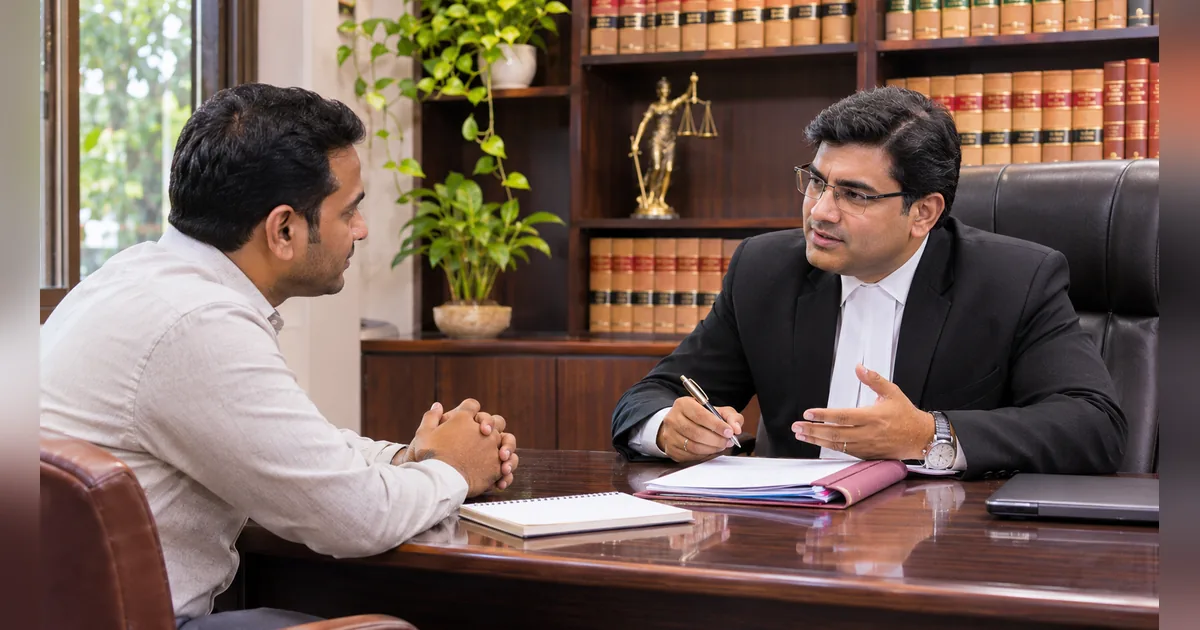
Choosing the right lawyer can change how smoothly a matter goes, whether it is a property deal, a business contract or a court case. Yet many people pick someone in a hurry, without clarity on what is being done or what to expect. A little preparation before you sign makes the relationship more transparent for both sides.
Before you speak to any lawyer, write down the issue in plain language: what happened, who is involved, which documents you hold and what outcome you want. Distinguish between advice, drafting and representation in court, because many lawyers focus on one of these. A clear summary saves time at the first meeting and helps the lawyer judge whether they are the right fit.
Checking credentials and fit
In India, a person must be enrolled with a State Bar Council under the Advocates Act to practise as an advocate. You can ask for the enrolment details and check them with the relevant Bar Council. Beyond this, think about experience in the specific area, the courts or forums where the lawyer regularly appears, and whether they are comfortable communicating in the language you prefer.
- Ask about experience with similar matters, without expecting any promise of results
- Check whether the lawyer will personally handle the case or delegate to juniors
- Ask who will be your point of contact for updates
- Be wary of anyone who guarantees an outcome

Questions for the first meeting
- What are the possible routes: negotiation, notice, mediation, filing a case?
- What documents are needed and what are the realistic timelines?
- What are the risks, including costs and delay, in plain words?
- How and when will you update me?
- How will the fee be structured and what other expenses may arise?
On fees, ask for the structure in writing rather than relying on assumptions. The Bar Council rules and ethical standards expect transparency, and written clarity helps avoid later disputes. We avoid quoting any figures here since they vary widely.
Put the engagement in writing
A short engagement letter, or at least an email, should record the scope of work, the fee arrangement, how expenses are handled and how either side can end the arrangement. In court matters, you will sign a vakalatnama, a document that authorises the advocate to appear and act on your behalf. Read it before signing, and keep a copy of every document you hand over. Keep originals safe and give photocopies unless originals are necessary.
If your matter begins with a notice, see our guide on when and how to send a legal notice. For documents requiring signatures and attestations, affidavits and notarisation may also be needed.
Staying involved in your case
A lawyer handles the legal strategy, but the client still needs to give accurate facts and respond promptly. Share all relevant documents, even those that seem unhelpful. Ask for copies of what is filed and a note after each hearing. Many disputes can end earlier through settlement, so ask whether options like mediation fit your case. If you are unhappy, raise it directly first; if needed you can change counsel, subject to clearing genuine dues and following court procedure.
ATTPL Legal
ATTPL Legal helps individuals, families and businesses in Rajasthan with documents, notices and legal guidance. Toll-free: 1800 890 0815.
Frequently asked questions
How do I verify that someone is a practising advocate?
Ask for the Bar Council enrolment details and verify them with the relevant State Bar Council.
What is a vakalatnama?
A document that authorises an advocate to appear and act for you in a court or tribunal.
Can a lawyer guarantee a result?
No; ethical standards discourage guarantees because outcomes depend on facts, evidence and the court.
Sources and further reading
This article is general legal information, not legal advice. Rules change; consult a lawyer for your situation.