Civil Law
Motor Accident Claims in India: How to Get Compensation from the MACT
By ATTPL Legal Editorial Team · · 2 min read
How road accident victims and families can claim compensation at the Motor Accident Claims Tribunal: FIR, documents, time limits, insurance, hit-and-run cases and how compensation is calculated.
First steps after an accident
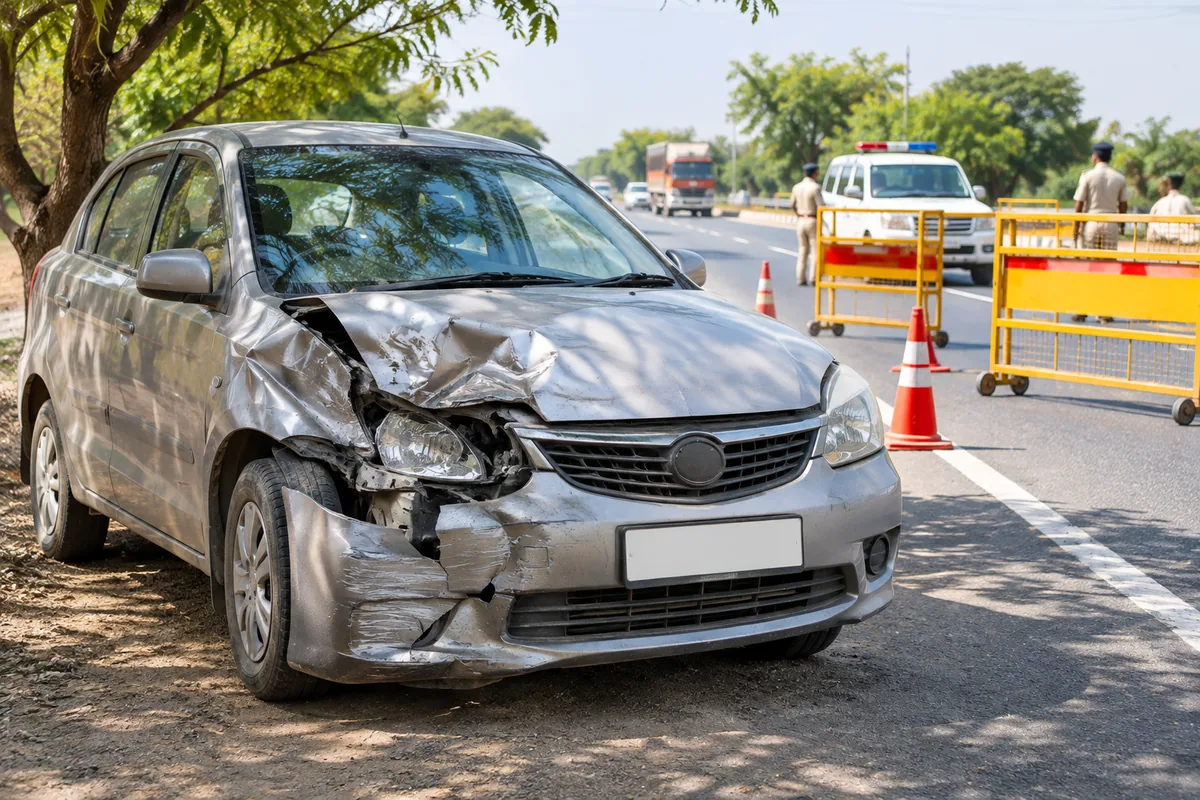
Road accident victims and the families of those who die in accidents can claim compensation from the Motor Accident Claims Tribunal (MACT). Knowing the process helps families get fair compensation without long delays.
- Get medical help; the golden hour matters
- Make sure an FIR is registered
- Keep hospital records, bills and discharge papers
- Note the vehicle number and insurance details
Filing the claim
The claim is filed before the MACT with jurisdiction where the accident happened, where the claimant lives or where the respondent lives. The insurer of the vehicle is a party. Police also send an accident information report that the tribunal can treat as a claim. Safety tips for families are in our sister site's first aid guide.
How compensation is decided
Tribunals consider income, age, dependants, medical costs, loss of future earnings and pain and suffering. In hit-and-run cases, compensation is available under the government scheme. Settlement through Lok Adalat is often faster. For general notices see legal notice guide.
ATTPL Legal
ATTPL Legal can guide families through the claim process. Toll-free: 1800 890 0815.
Frequently asked questions
Is there a time limit to file a MACT claim?
The Motor Vehicles Act now sets a time limit; file as early as possible and check the current provision.
Can I claim if the driver had no insurance?
Yes, the owner and driver are liable; recovery depends on their means.
Do I need a lawyer?
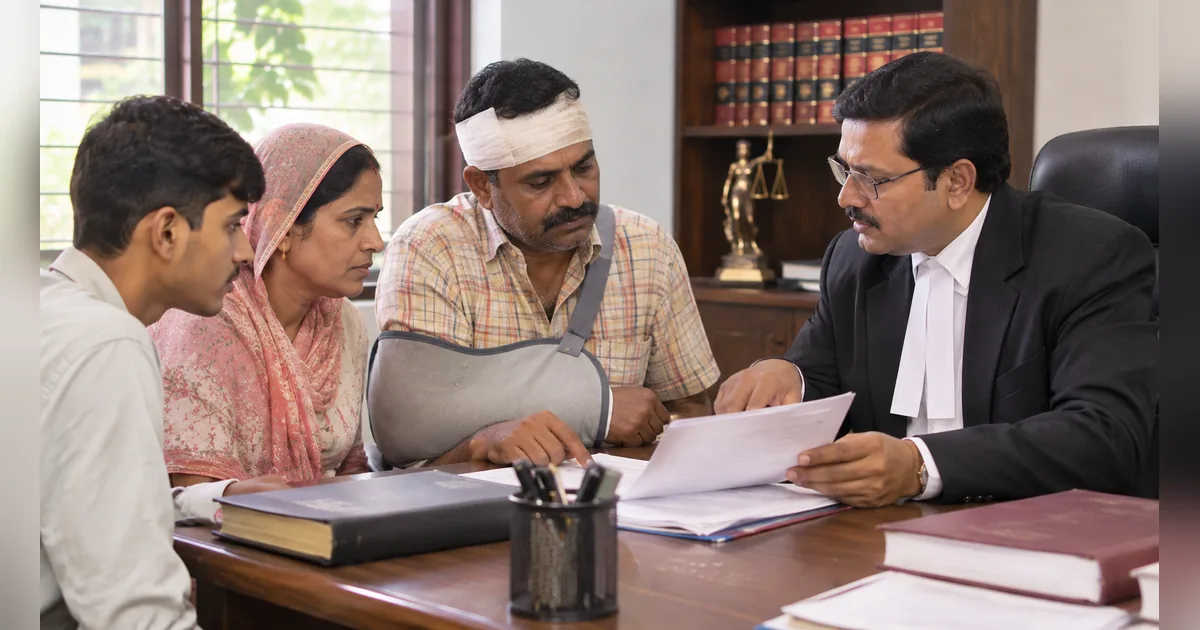
Not mandatory, but a lawyer helps present evidence and calculate compensation properly.
Sources and further reading
This article is general legal information, not legal advice. Consult a lawyer for your case.