IPR and Brand
Copyright Registration in India: How It Works
By ATTPL Legal Editorial Team · · 3 min read
Copyright registration in India explained: what it protects, who owns the work, the online process, timelines and how creators and startups use it.
What copyright protects
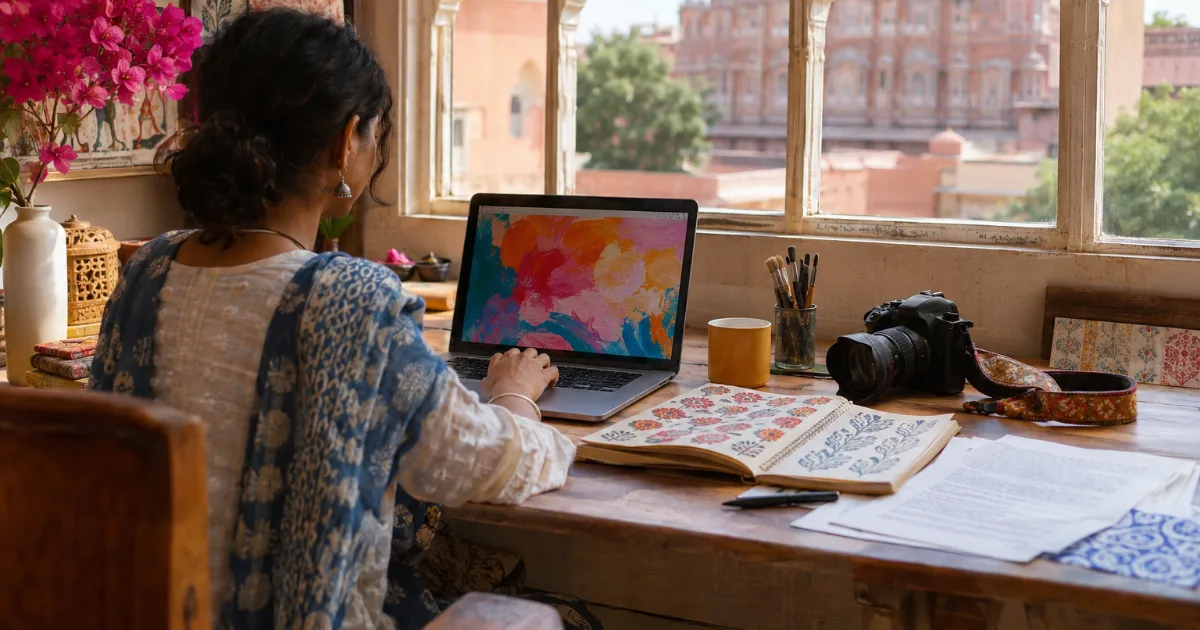
Copyright protects original expression: the words of a book or blog, the code of a software program, a photograph, an illustration, a song or a film. It does not protect ideas, methods, facts or names on their own. Under the Copyright Act, 1957, the main categories are:
- Literary works, which include computer programs and databases
- Dramatic and musical works
- Artistic works such as drawings, paintings, photographs and logos as artwork
- Cinematograph films and sound recordings
For brand names and slogans used in trade, trademark law is usually the better tool. See our guide on trademark registration in India.
Is registration necessary?
No. Copyright arises automatically when an original work is created and fixed in some form. Registration with the Copyright Office is optional. It is still worth considering, because the extracts of the Register of Copyrights are treated as prima facie evidence of the particulars entered in it. In a dispute, that can make proving authorship and dates much easier.
Registration is especially useful for software, training content, designs used on products, photographs licensed to clients and any work you expect to license, sell or enforce.
Who owns the copyright
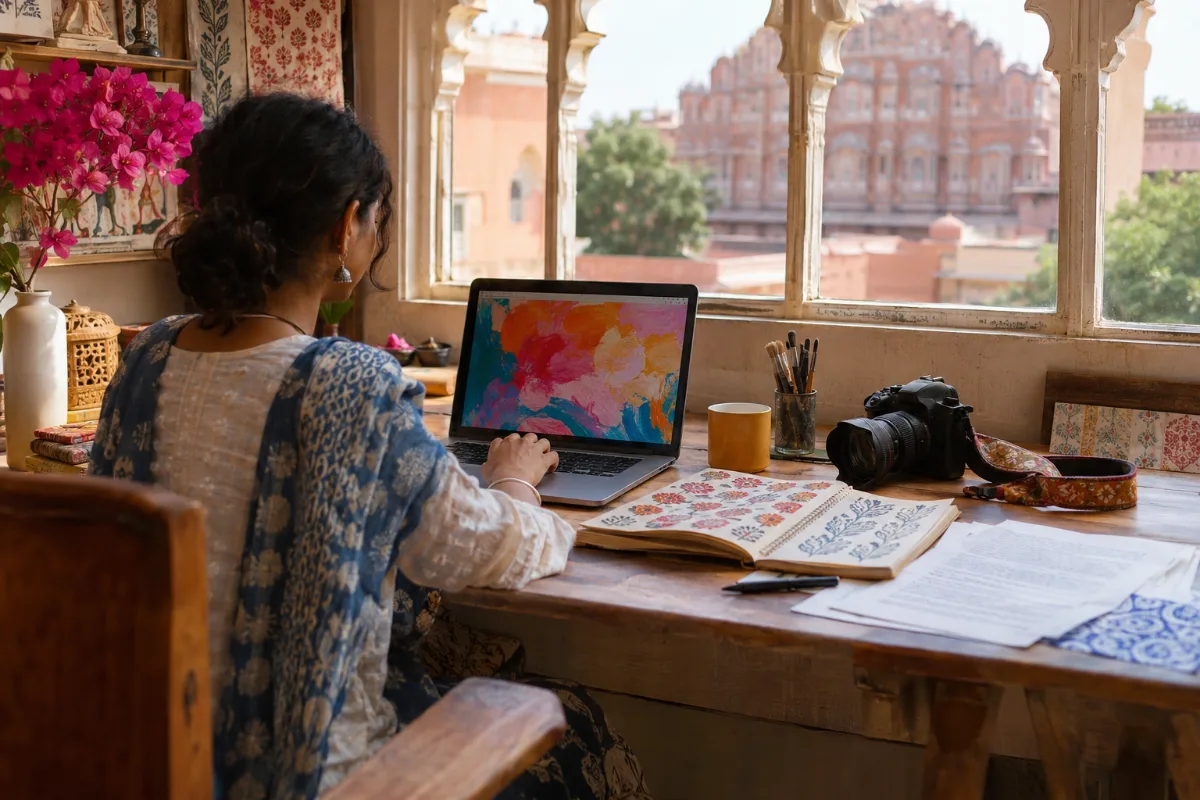
The author is generally the first owner, but there are important exceptions and practical traps:
- Work created by an employee in the course of employment under a contract of service generally belongs to the employer, unless agreed otherwise.
- Work created by a freelancer or an outside agency usually stays with the creator unless there is a written assignment. Many startups discover this only during funding due diligence.
- An assignment must be in writing and signed. If it does not state the period, the law treats it as five years; if it does not state the territory, it is treated as limited to India.
So contracts with developers, designers and content agencies should contain a clear assignment of copyright, including future rights in source code and design files. Our startup legal checklist covers this along with founder and ESOP documents. If you are hiring a tech vendor, this checklist for choosing a software development company is a useful companion.
The registration process, step by step
- Prepare the work: the final version, or for software, the source code extracts in the format the Copyright Office asks for.
- Collect details of the author, owner, date and place of first publication, and any assignment or no-objection documents.
- File the application online on the Copyright Office portal and pay the prescribed fee. A diary number is generated.
- A waiting period of 30 days follows for anyone to file an objection.
- The application is examined. If there are discrepancies, the office communicates them and you respond within the time given.
- Once cleared, the work is entered in the Register of Copyrights and the extract (certificate) is issued.
Timelines vary with the workload of the office and whether objections or discrepancies arise, so plan registration early rather than just before a launch or a dispute.
If an artistic work such as a logo is used or meant to be used on goods or services, the application must include a certificate from the Trade Marks Registry that no identical or deceptively similar trademark is registered or applied for in another person's name.
How long copyright lasts
For literary, dramatic, musical and artistic works published in the author's lifetime, copyright generally lasts for the author's life plus 60 years. For cinematograph films, sound recordings, photographs and works of government or organisations, it generally runs for 60 years from publication. Registration does not need renewal. Once the term ends, the work enters the public domain and anyone may use it.
Enforcement if someone copies your work
Remedies for infringement can include injunctions, damages or accounts of profits, and in some cases criminal action. Online, takedown requests to platforms are often the fastest first step. A well-drafted legal notice usually comes before court action. Keep drafts, file metadata, emails and publishing records, because evidence of creation is central to any claim.
How ATTPL Legal can help
Our IPR services team advises creators, agencies and startups in Jaipur and across India on copyright registration, assignment and licensing agreements, software ownership clauses and infringement notices. ATTPL Legal is part of ATTPL (ऐट्प्ल) HOLDCO - GROUP. To protect your work, contact ATTPL Legal.
Frequently asked questions
Can I register copyright in software source code?
Yes. Computer programs are literary works under the Copyright Act, 1957, and can be registered. The office asks for source code extracts rather than the whole code base.
Can a logo be registered under copyright?
A logo can be registered as an artistic work, but if it is used for goods or services you need a search certificate from the Trade Marks Registry. Trademark registration is usually also advisable for brand protection.
Do I lose copyright if I do not register?
No. Copyright exists from creation. Registration mainly gives you stronger evidence of ownership and particulars if a dispute arises.
Sources and further reading
This article is general information, not legal advice. Procedures, forms and fees of the Copyright Office can change; consult a qualified IPR professional for your work.