Citizen Rights
Defamation Law in India: Civil and Criminal Remedies Explained
By ATTPL Legal Editorial Team · · 2 min read
What counts as defamation in India, the difference between civil and criminal defamation, defences such as truth and fair comment, online posts and the steps to take if you are defamed.
What defamation is
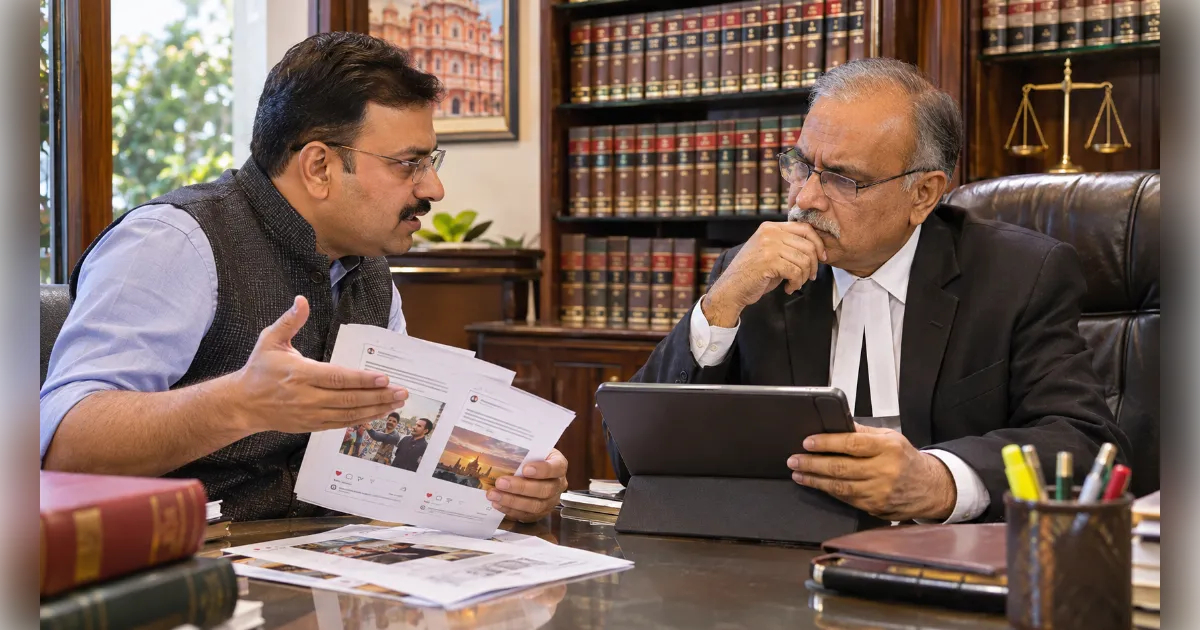
Defamation is making a false statement about a person or business that harms their reputation in the eyes of others. It can be spoken, written, published online or shared through images and videos. Indian law allows the affected person to seek both civil remedies, such as damages, and criminal remedies.
Criminal defamation, earlier under the Indian Penal Code, is now covered by the Bharatiya Nyaya Sanhita, 2023. Our guide to the new criminal laws explains the wider changes.
Civil and criminal routes
- Civil defamation: a suit for damages and, in some cases, an injunction to stop further publication
- Criminal defamation: a complaint before a magistrate, which can lead to punishment if proved
- Both routes can sometimes be pursued, depending on the facts
A lawyer can advise which route suits your goal, whether it is compensation, removal of content or deterrence.

Common defences
Not every critical statement is defamation. Truth stated for the public good, fair comment on matters of public interest, honest opinion, and statements made in good faith in certain situations, such as complaints to authorities, are generally recognised defences. Freedom of speech is protected, but it does not cover false statements made to damage someone's reputation.
Online and social media posts
Reviews, posts, forwards and videos can all be defamatory. Platforms have grievance mechanisms for removing unlawful content. Save screenshots with dates and links before a post is deleted. Be careful when sharing unverified allegations yourself, because forwarding can also create liability. For online abuse or fraud, see our guide to reporting cyber fraud.
Steps if you are defamed
Collect evidence, note who saw the statement, and consult a lawyer. A legal notice asking for withdrawal and an apology often resolves matters quickly. Remember that limitation periods apply to defamation claims, so do not delay.
ATTPL Legal
ATTPL Legal helps individuals and businesses in Rajasthan with notices, complaints and legal guidance. Toll-free: 1800 890 0815.
Frequently asked questions
Is a negative online review defamation?
Not if it is a genuine, honest opinion or true account. False statements of fact that harm reputation may be.
Can a company sue for defamation?
Yes, a business can seek remedies if false statements harm its reputation.
What should I do first?
Save evidence with dates and links and consult a lawyer before responding publicly.
Sources and further reading
This article is general legal information, not legal advice. Consult a lawyer for your situation.