Citizen Rights
How to File an RTI Application in India: A Step-by-Step Guide
By ATTPL Legal Editorial Team · · 2 min read
A practical guide to the Right to Information Act, 2005 — who can ask, how to draft and file an RTI online or offline, fees, time limits, exemptions, first appeal and second appeal.
Who can file and what you can ask
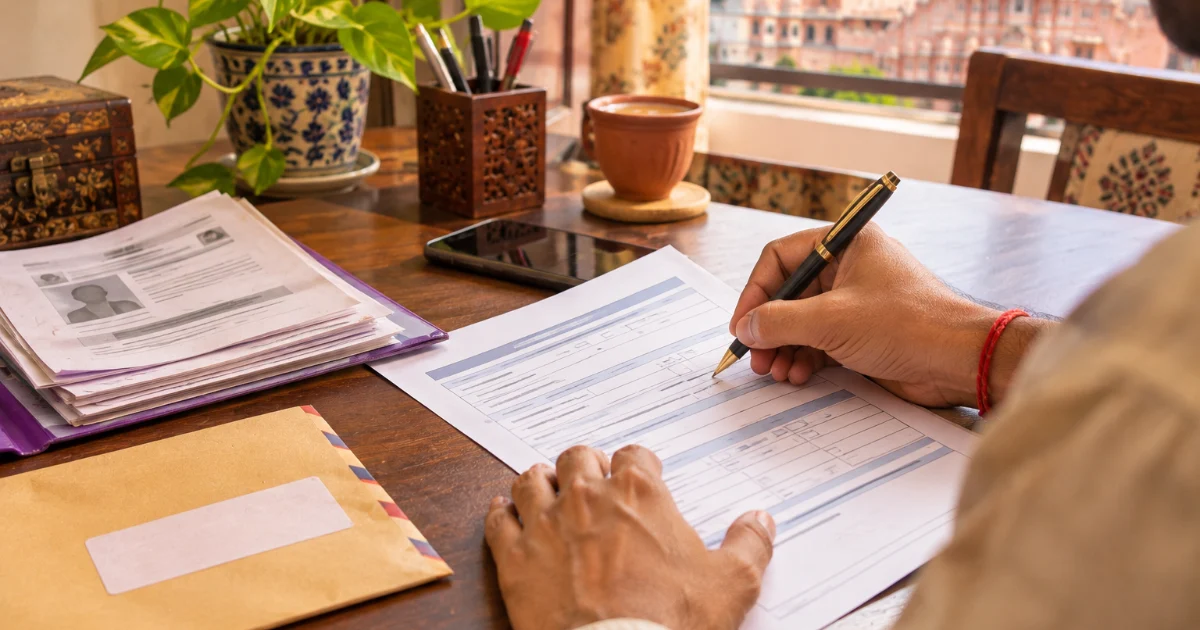
The Right to Information Act, 2005 lets every citizen ask public authorities for information about their work. Used well, an RTI application can help you track a pending file, understand a decision or check how public money was spent.
Any citizen of India can seek information from a public authority — government departments, local bodies, and bodies owned, controlled or substantially financed by the government. 'Information' covers records, documents, emails, file notings, reports, contracts and data held by the authority. You do not need to give reasons for asking, only details needed to contact you.
Drafting a clear application
- Address it to the Public Information Officer (PIO) of the correct department
- Ask for specific records or information, not opinions or explanations
- Number your questions and mention dates, file numbers or reference numbers where known
- Request certified copies if you may need to rely on them later
- Keep the language simple and the application short
Clear drafting matters as much here as in any legal document — see our tips on sending a legal notice for a similar disciplined approach.
Filing online or offline
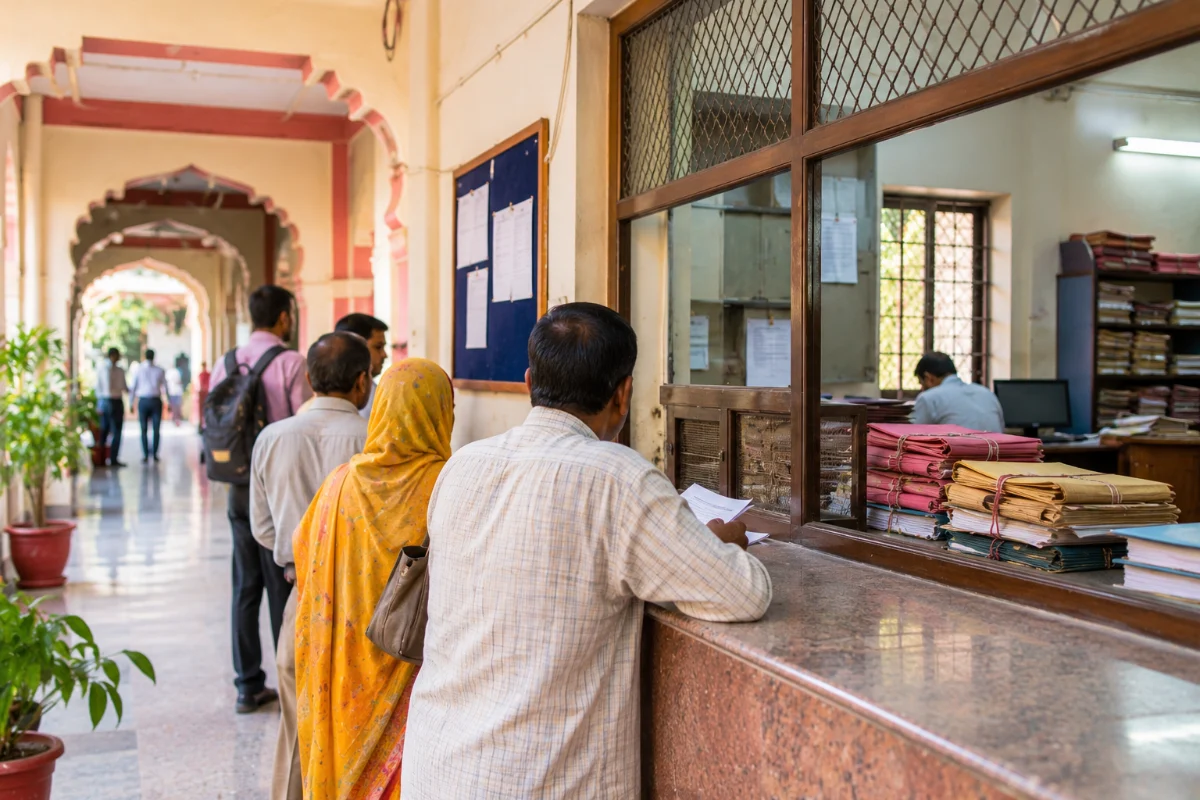
For central government ministries and departments, applications can be filed on the RTI Online portal. Many states, including Rajasthan, run their own online RTI portals for state departments. Offline, you can send the application by post or submit it in person to the PIO or Assistant PIO.
A small application fee is payable as prescribed by the relevant government, and additional charges may apply for copies. Citizens below the poverty line are exempt from fees on producing proof. Keep the receipt or registration number.
Time limits and exemptions
The PIO should generally reply within 30 days, or within 48 hours where the information concerns the life or liberty of a person. Some information is exempt under Section 8 — for example information affecting national security, cabinet papers in certain cases, or personal information without public interest. A refusal must give reasons and details of the appeal authority.
First and second appeals
- If there is no reply or the reply is unsatisfactory, file a first appeal with the First Appellate Authority within 30 days
- If the first appeal does not resolve the matter, a second appeal or complaint can be filed with the Central or State Information Commission within the time allowed
- Attach copies of your application, reply and first appeal
Where information is needed for a dispute, an RTI reply can support a consumer complaint or other proceedings, though it does not replace legal remedies.
Getting help
ATTPL Legal can help draft RTI applications and appeals and advise on next steps when information reveals a legal issue. Panchayat representatives and civic teams may also find our guide on panchayat grievance redressal useful.
Frequently asked questions
How much is the RTI fee?
The fee is prescribed by the relevant government — central or state — and is usually small. BPL applicants are exempt on proof.
What if I get no reply within 30 days?
You can file a first appeal with the First Appellate Authority of that public authority.
Can I file an RTI against a private company?
Not directly. But you can seek information about a private body that a public authority can access under law.
Sources and further reading
This article is general information, not legal advice. Fees, portals and procedures vary between the Centre and states; check the current rules before filing.