Property Law
Gift Deed for Property in India: A Practical Guide
By ATTPL Legal Editorial Team · · 3 min read
How to gift property to a family member through a gift deed in India: essentials of a valid gift, stamp duty, registration, tax points and common mistakes.
What a gift deed is
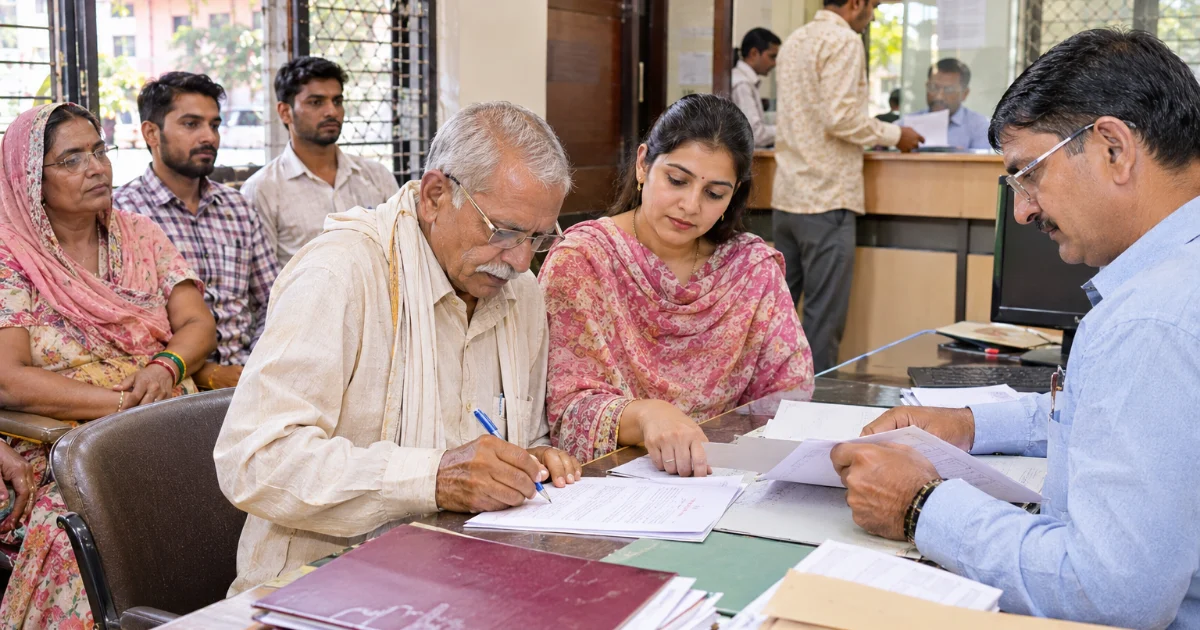
A gift deed transfers ownership of property from one person (the donor) to another (the donee) voluntarily and without payment. Parents often use it to transfer a house or plot to children during their lifetime, instead of leaving it by will. Under the Transfer of Property Act, 1882, a gift of immovable property must be made by a registered instrument signed by the donor and attested by at least two witnesses, and it must be accepted by the donee during the donor's lifetime.
Essentials of a valid gift
- Voluntary: the donor must act freely, without pressure.
- Without consideration: no money or other price is paid.
- Existing property: only property that exists and belongs to the donor can be gifted.
- Acceptance: the donee must accept the gift while the donor is alive.
- Registration: a gift of immovable property must be registered.

Stamp duty and registration
Stamp duty on gift deeds is set by each state and may be lower for transfers between close relatives in some states. Registration takes place at the office of the sub-registrar where the property is located, with the donor, donee and witnesses present along with identity documents and property papers. Because rates and concessions change, check the current Rajasthan rules or take professional advice before execution.
Gift deed, will or sale: choosing the right route
A gift deed transfers property immediately and finally during the donor's lifetime. A will, by contrast, takes effect only after death and can be changed any number of times before that. A sale involves payment and different tax consequences. The right choice depends on family needs, the donor's financial security and the likelihood of disputes.
Parents who want to keep control of their home during their lifetime often prefer a will, while those who want a child to own and develop property now may choose a gift. Some families use a gift deed with clear conditions, such as the right of the parents to reside in the house. Whatever the route, clear documentation and open discussion within the family prevent future litigation.
- Gift: immediate transfer, hard to reverse, registration required.
- Will: effective after death, can be changed, registration optional but useful.
- Sale: transfer for price, with stamp duty and capital gains implications.
Tax points to keep in mind
Under income tax law, gifts from specified relatives are generally exempt in the hands of the recipient, while gifts from others above a threshold may be taxable. When the donee later sells the property, the capital gains calculation can consider the previous owner's cost and holding period. Clubbing provisions may apply to income from property gifted to a spouse. Discuss the specifics with your chartered accountant.
Can a gift deed be cancelled?
A registered gift that has been accepted is generally difficult to revoke, except in limited circumstances such as a condition agreed in the deed or fraud. Some laws protecting senior citizens allow a transfer to be declared void if the donee fails to provide the basic needs promised as a condition. Because reversal is hard, think carefully and record any conditions clearly.
Common mistakes
- Using an unregistered gift document for land or a house.
- Not checking title and encumbrances; see our property due diligence checklist.
- Ignoring the wishes of other family members, leading to disputes later.
- Forgetting mutation in municipal and revenue records after registration.
A gift deed can sit alongside a will in family planning; read how to make a valid will. For drafting and registration support, contact ATTPL Legal. For broader family financial planning, ATTPL Finance can help.
Frequently asked questions
Is registration compulsory for a property gift deed?
Yes. A gift of immovable property must be made by a registered instrument signed by the donor and attested by two witnesses.
Is a gift from parents taxable?
Gifts from specified relatives such as parents are generally exempt from income tax in the recipient's hands, but other tax rules may apply later. Consult a tax advisor.
Can parents take back a gifted house?
Generally a completed gift is hard to revoke, except in limited legal situations. Record any conditions clearly in the deed and take legal advice.
Sources and further reading
This article is general information, not legal or tax advice. Stamp duty, registration and tax rules change; consult qualified professionals.