Property Law
Partition of Family Property in India: A Guide
By ATTPL Legal Editorial Team · · 4 min read
How co-owners divide family property in India: partition deed, family settlement or suit, daughters' rights, registration and mutation in Rajasthan.
Why partition matters
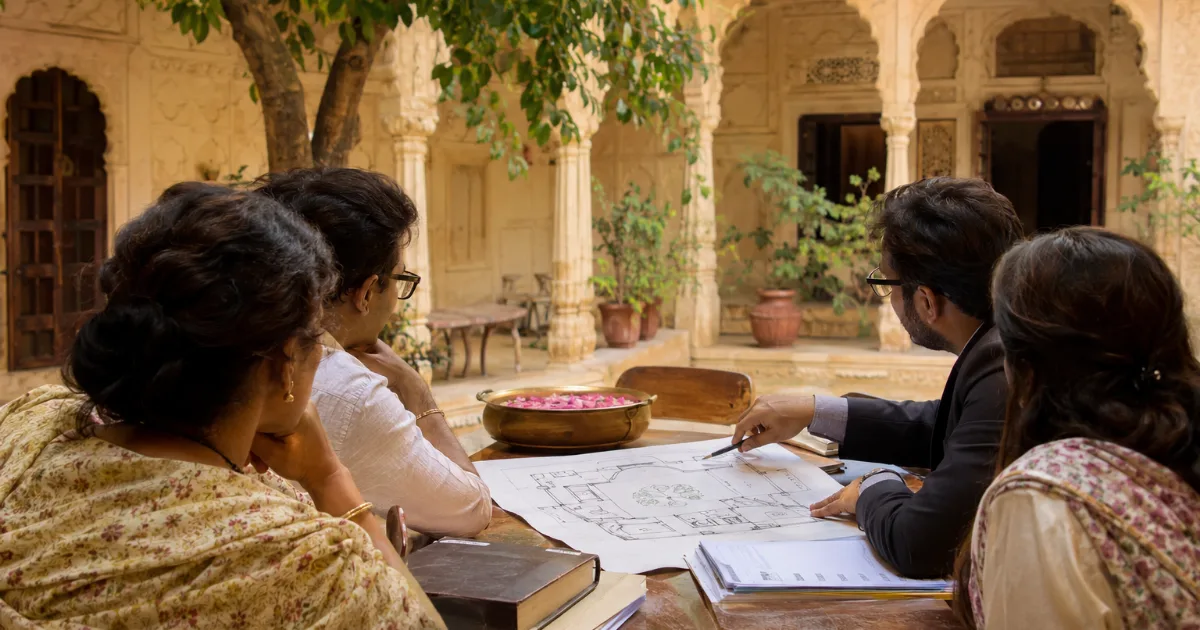
When a house, plot or farm is held jointly by several family members, nobody owns a defined portion of it until the property is partitioned. Co-owners often cannot sell, mortgage or rebuild their share with confidence, and disputes can last for years. A clear partition gives each person a separate, marketable title and reduces the chance of litigation for the next generation.
This guide explains the main routes to partition in India, with practical points for families in Jaipur and across Rajasthan.
Ancestral, joint and self-acquired property
The first question is what kind of property it is, because that decides who has a share.
- Self-acquired property belongs to the person who bought or earned it. Children have no right to it during that person's lifetime, and it passes by will or by succession law after death.
- Ancestral or coparcenary property under Hindu law is held by the joint family, and coparceners acquire an interest by birth.
- Property inherited jointly by several heirs, for example after a parent dies without a will, is co-owned by those heirs in the shares fixed by the applicable succession law.
Since the Hindu Succession (Amendment) Act, 2005, daughters are coparceners by birth with the same rights and liabilities as sons. In Vineeta Sharma v. Rakesh Sharma (2020), the Supreme Court held that this right does not depend on the father being alive on the date of the amendment. Different rules apply to families governed by other personal laws, so the starting point should always be the family's personal law and the documents of title.
Three ways to divide property
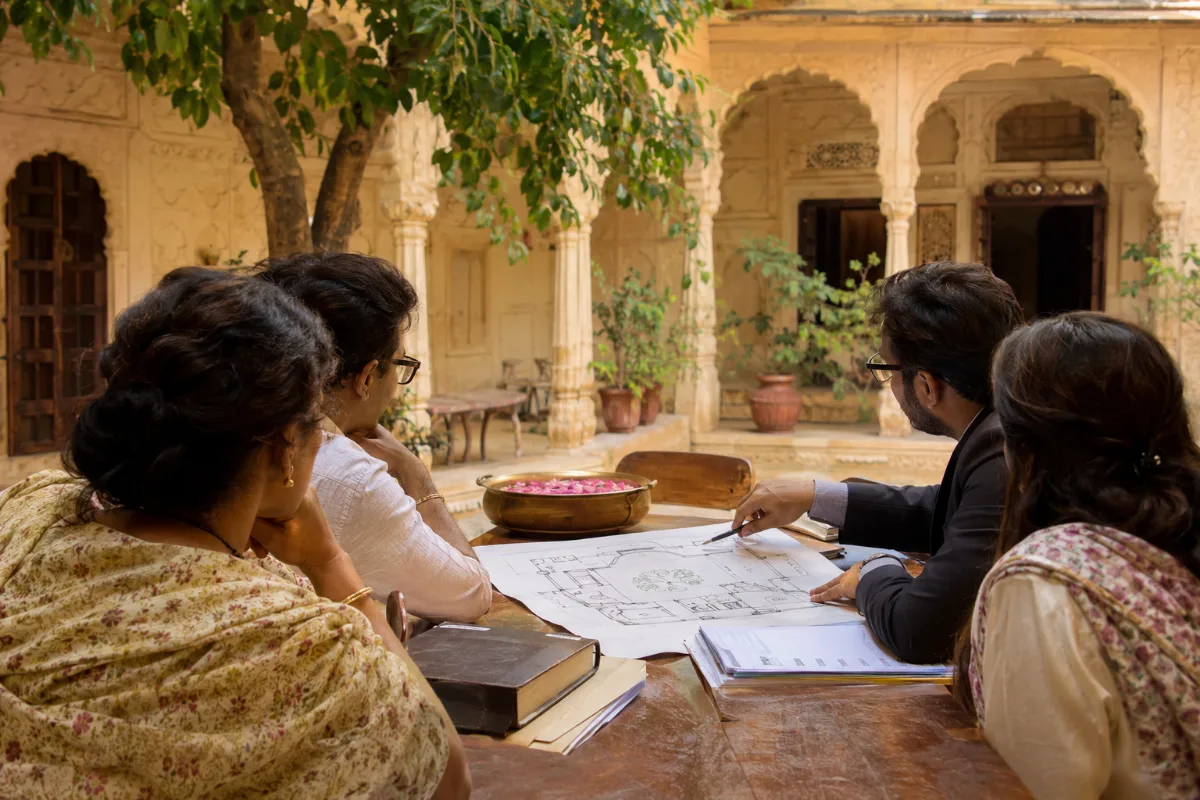
- Partition deed: all co-owners agree on who gets which portion and sign a written deed. A deed that divides immovable property must be stamped under the state stamp law and registered with the Sub-Registrar.
- Family settlement: family members settle competing claims through an arrangement that keeps peace in the family. Courts have generally upheld bona fide family settlements. Whether the document recording it needs registration depends on whether it creates rights or only records an arrangement already made, so drafting matters.
- Partition suit: if co-owners cannot agree, any co-owner can file a suit for partition in the civil court. The court decides the shares in a preliminary decree and then divides the property by metes and bounds, or orders a sale, in a final decree.
A negotiated deed is usually faster and cheaper than a suit. Mediation can help when relationships are strained; see our note on mediation vs litigation.
What a good partition deed contains
- Full names, relationships and addresses of all co-owners, including daughters and the heirs of any deceased co-owner.
- How the property came to the family, with references to the title documents.
- A precise description of each allotted portion, with boundaries, measurements and a site plan signed by all parties.
- Any owelty (balancing) payment made by one party to equalise shares.
- Arrangements for common areas such as staircases, passages, water and electricity connections.
- Clauses on handing over original documents, paying pending dues and taxes, and resolving future disputes.
Leaving out even one co-owner, or a married daughter with a share, can make the partition open to challenge later.
Stamp duty, registration and mutation in Rajasthan
Stamp duty on partition instruments is set by the state. In Rajasthan, the rate and the way the separated shares are valued are governed by the state stamp law and the market value guidelines (DLC rates), which change from time to time. Check the current position on the Registration and Stamps Department portal or with a professional before execution.
After registration, each owner should apply for mutation in the municipal or development authority records for urban property, and in the revenue records for agricultural land. Partition of agricultural (khatedari) land in Rajasthan is generally handled by revenue authorities and courts under the Rajasthan Tenancy Act, 1955. Our sister site explains Rajasthan land records, jamabandi and mutation for farming families.
Also update property tax records, electricity and water connections, and any bank records where the property is mortgaged.
Common mistakes to avoid
- Relying on an oral division for years without recording it, and then facing a dispute when one branch wants to sell.
- Signing an unregistered partition deed for immovable property and assuming it is enough.
- Ignoring loans, leases or court cases attached to the property.
- Not checking tax consequences; partition of joint family property can be treated differently from a sale or gift, so take tax advice.
If a parent wants to avoid a future partition dispute, a properly drafted will can help. Read our guide on how to make a valid will.
How ATTPL Legal can help
Our property legal services team helps families in Jaipur and across Rajasthan review title, work out shares, draft partition deeds and family settlements, coordinate registration and mutation, and represent clients in partition suits when agreement is not possible. ATTPL Legal is part of ATTPL (ऐट्प्ल) HOLDCO - GROUP. To discuss your property, contact ATTPL Legal.
Frequently asked questions
Can a married daughter claim a share in ancestral property?
Under Hindu law, after the 2005 amendment a daughter is a coparcener by birth, and marriage does not take away that right. The exact share depends on the facts, earlier partitions and documents, so get the title reviewed.
Is an unregistered partition deed valid?
A document that itself divides immovable property generally needs to be stamped and registered. An unregistered deed may be of limited use as evidence of title. A memorandum that only records an earlier family arrangement can be treated differently, so take advice before relying on it.
How long does a partition suit take?
It depends on the number of parties, the court's workload and whether title is disputed. Suits can take several years, which is why many families first try negotiation or mediation.
Sources and further reading
This article is general information, not legal or tax advice. Property, stamp and succession rules depend on facts and change over time; consult a qualified advocate before acting.