Property and Real Estate
Power of Attorney in India: Types, Registration, Stamp Duty and Revocation
By ATTPL Legal Editorial Team · · 2 min read
A clear guide to power of attorney in India — general vs special POA, when registration is needed, stamp duty, NRI execution from abroad, risks and how to revoke a POA.
What a power of attorney does
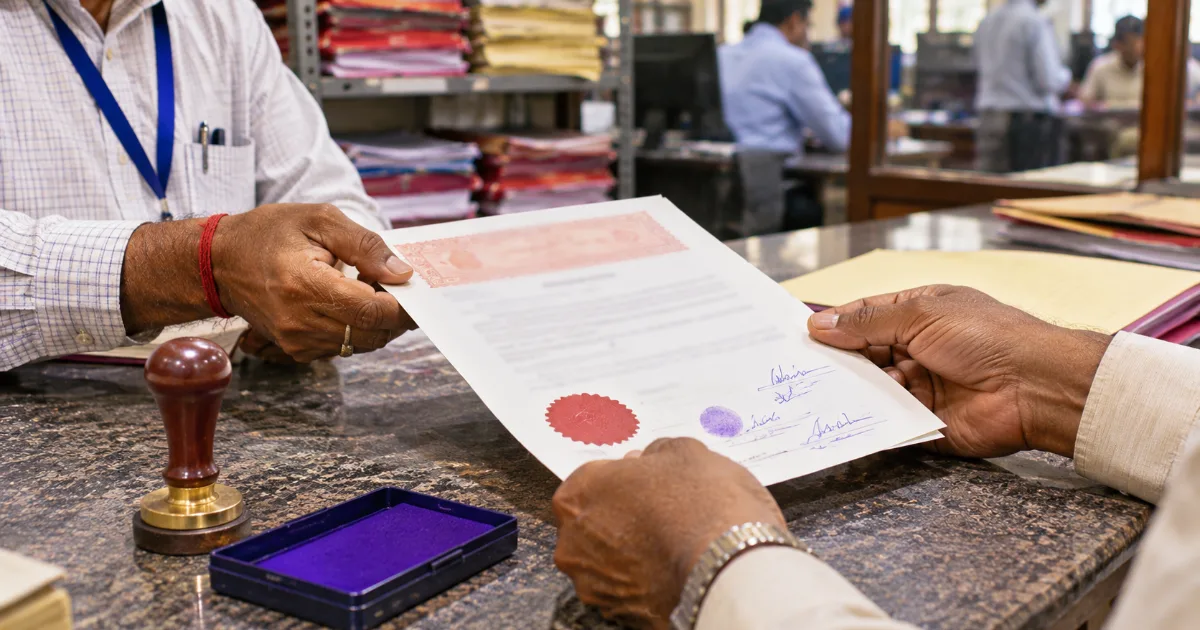
A power of attorney (POA) is a legal document by which one person (the principal) authorises another (the agent or attorney holder) to act on their behalf. It is governed mainly by the Powers of Attorney Act, 1882 and the agency provisions of the Indian Contract Act, 1872. People use POAs to manage property, bank work, court cases, tax matters or business when they cannot be present — for example, NRIs, senior citizens or busy business owners.
General vs special power of attorney
A general power of attorney (GPA) gives broad authority over many matters. A special power of attorney (SPA) is limited to a specific task, such as registering one sale deed, appearing in one case or operating one bank account. As a rule, give only the powers that are truly needed, for a defined period, and describe the property or matter precisely.
Registration, notarisation and stamp duty
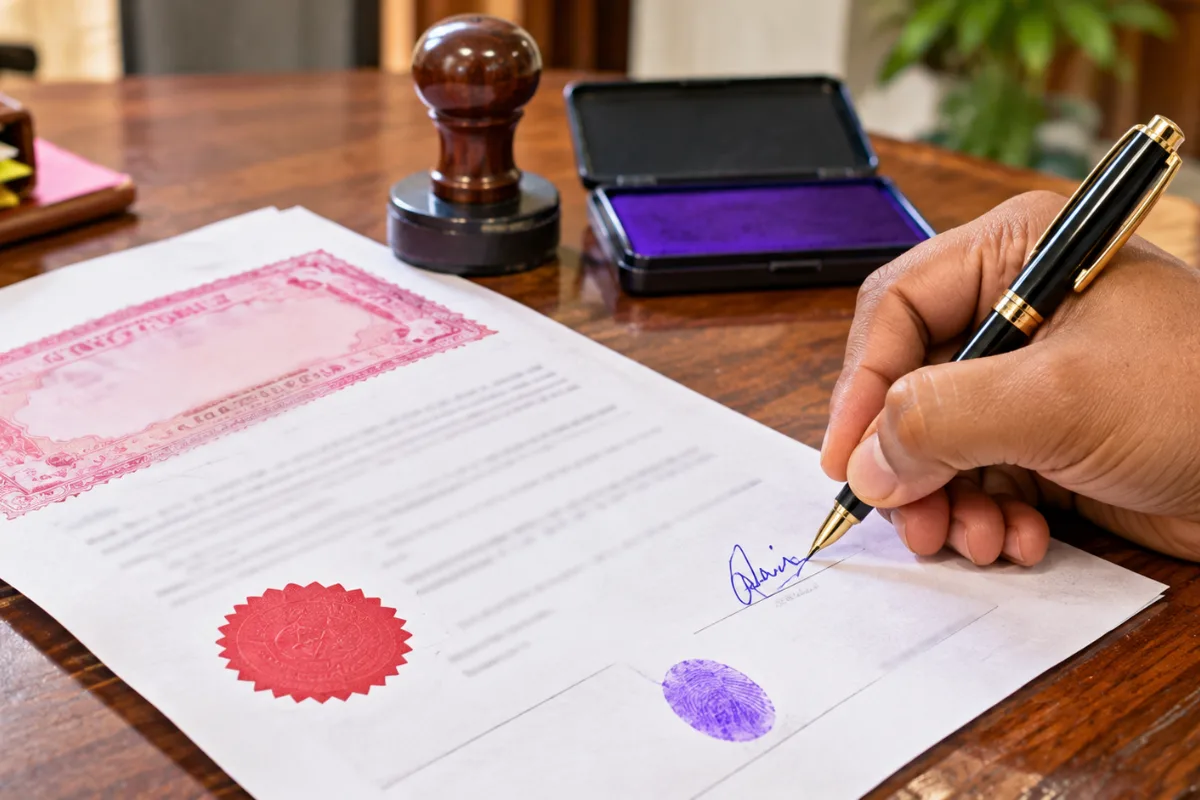
A POA must be stamped as per the applicable state stamp law, and the duty depends on the type of power and, for property, whether it is given to family members or others. Notarisation is common for general purposes, while a POA authorising transactions in immovable property is generally registered or authenticated before the sub-registrar, as required by state rules. Check the current Rajasthan stamp and registration requirements before execution.
Remember that the Supreme Court has held that sales through GPA, agreement to sell and will (the so-called GPA sale) do not transfer ownership. A proper registered sale deed is needed to transfer title.
NRIs executing a POA from abroad
An NRI can execute a POA abroad before an Indian embassy or consulate, or before a local notary with apostille where applicable. When the document reaches India, it usually has to be presented for stamp duty adjudication within the period required by state law, and then used or registered. Keep scanned and original copies safe, and give the agent clear written instructions.
Risks and how to protect yourself
- Choose an agent you trust completely, and limit powers to what is necessary
- Add an expiry date and, where possible, require reporting of every transaction
- Avoid blank or open-ended powers to sell, mortgage or gift property
- Keep a register of where the POA has been used
Misuse of a POA is a common source of property disputes. If in doubt, take legal advice before signing.
Revoking a power of attorney
A POA can be revoked by executing a deed of revocation, registering it where the original was registered, and informing the agent and third parties such as banks and the sub-registrar in writing. A POA also ends on the death or insolvency of the principal, and in other situations under the Contract Act. A POA coupled with an interest can have special rules.
For drafting, registration and revocation support, contact ATTPL Legal. Property-related checks are explained in our commercial property due diligence checklist, and group-level legal support is available through ATTPL HOLDCO.
Frequently asked questions
Is registration of a power of attorney compulsory?
Not in every case, but a POA dealing with immovable property is generally registered or authenticated as required by state rules. Stamp duty applies as per state law.
Can a power of attorney holder sell property?
Only if the POA specifically authorises sale, and the sale must be completed by a proper registered sale deed executed on behalf of the owner.
Does a POA end when the principal dies?
Yes, ordinarily a POA comes to an end on the death of the principal.
Sources and further reading
This article is general legal information, not legal advice. Requirements vary by state and facts; consult a qualified lawyer.