Family Law
Senior Citizens' Maintenance Act: Rights and Process
By ATTPL Legal Editorial Team · · 3 min read
How the Senior Citizens Act protects elders in India: maintenance claims, tribunals, conditional property transfers and where to get help.
Who is protected
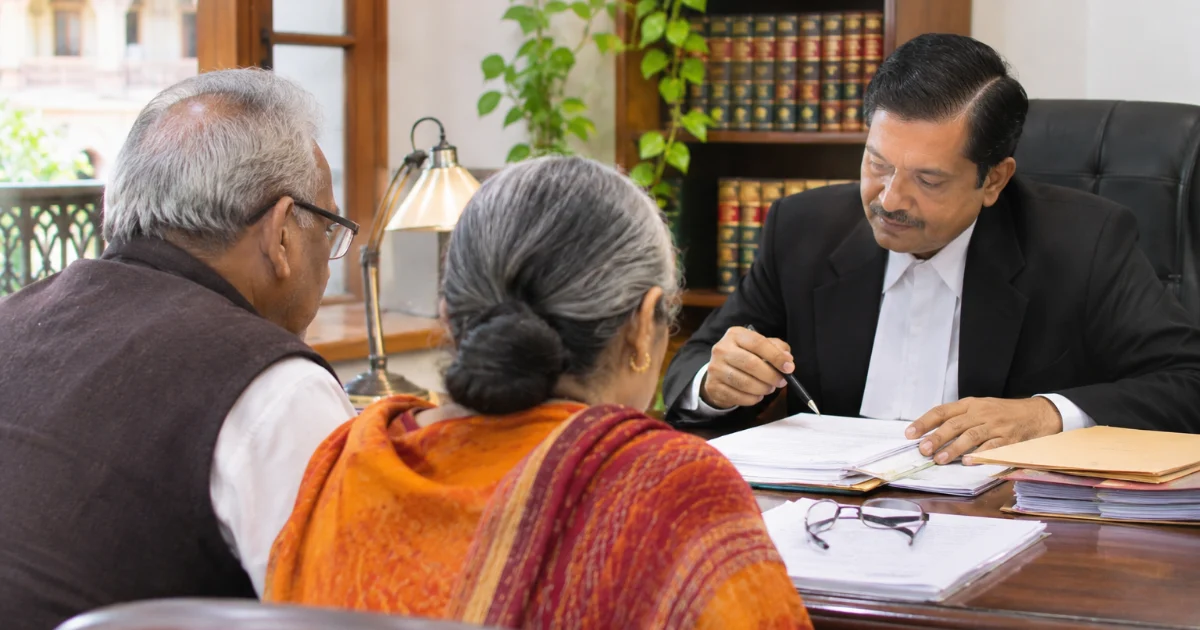
Most families care for their elders with love and respect. But when an elderly parent is neglected or left without support, the law provides a simple remedy. The Maintenance and Welfare of Parents and Senior Citizens Act, 2007 allows parents and senior citizens to claim maintenance from their children or relatives through a quick tribunal process, without long court battles.
The Act protects parents (biological, adoptive and step-parents, whether or not they are senior citizens) and senior citizens aged 60 years or above who cannot maintain themselves from their own earnings or property. Maintenance includes food, clothing, residence, medical attendance and treatment.
Who must pay
- Children, including adult sons, daughters and grandchildren, for their parents.
- For childless senior citizens, relatives who possess or will inherit their property.
The obligation depends on the means of the person liable and the needs of the parent or senior citizen.
How to file a claim
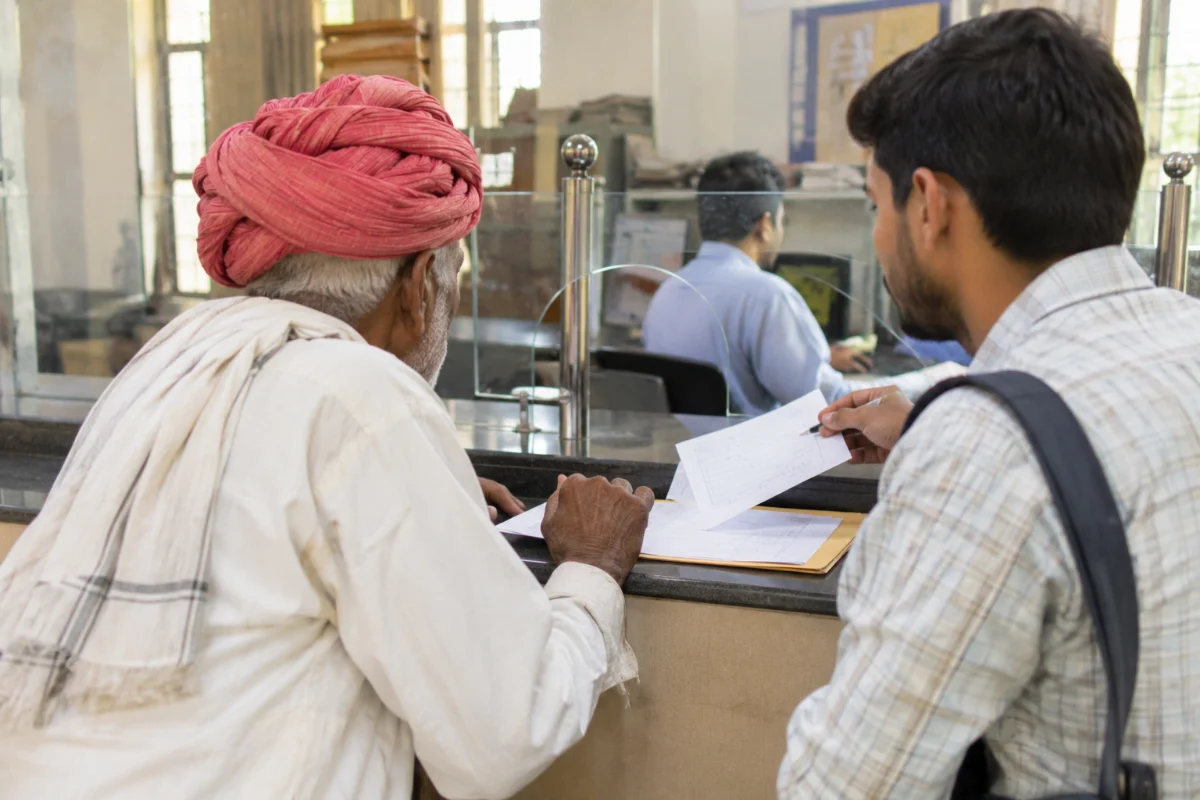
A claim is filed before the Maintenance Tribunal, usually headed by the Sub-Divisional Officer in the area. The application can be made by the senior citizen or, with permission, by another person or registered organisation on their behalf. Lawyers are generally not required, keeping the process simple and inexpensive. The tribunal may order monthly maintenance up to the limit set by the Act and the state rules.
- Keep proof of age and relationship.
- Give details of income, property and needs.
- Mention medical needs and expenses.
Protection for property transfers
If a senior citizen transfers property by gift or otherwise on the condition that the receiver will provide basic amenities and care, and the receiver fails to do so, the tribunal can declare the transfer void. This is an important safeguard. Elders should still think carefully before gifting property, and record conditions clearly. Our guides to making a valid will and gift deeds explain alternatives.
Other support for elders
State governments run old age homes, pension schemes and helplines for senior citizens. Police in many cities maintain lists of senior citizens living alone for regular check-ins. Abandoning a senior citizen is also an offence under the Act. Health insurance for elderly parents is explained by ATTPL Finance, and preventive health check-ups by ATTPL Healthcare.
What the tribunal considers
When deciding a maintenance claim, the tribunal looks at the needs of the parent or senior citizen, the income and property of the children or relatives, and the standard of living the elder is used to. It may hold an inquiry, hear both sides and try conciliation before passing an order. Interim maintenance can be ordered while the case is pending, so an elder in urgent need does not have to wait for a final decision. Orders can be enforced, and non-payment can lead to further action under the Act.
Practical steps for families
- Talk early: many disputes begin with small misunderstandings about money or care.
- Put arrangements in writing when property is transferred to children.
- Keep a record of medical needs and monthly expenses.
- Keep important documents such as property papers and pension details safe.
- Use mediation or community elders before filing a case where possible.
Legal protection works best alongside family understanding. The aim is a dignified life for the elder, not a prolonged conflict.
Getting help
Many disputes can be settled through family discussion or mediation, which the Act encourages. Where that fails, the tribunal provides a fast remedy. If you need help preparing an application or dealing with a property dispute involving an elder, contact ATTPL Legal.
Frequently asked questions
Who can claim maintenance under the Act?
Parents, and senior citizens aged 60 or above, who cannot maintain themselves from their own earnings or property.
Is a lawyer needed before the tribunal?
The process is designed to be simple; parties are generally not represented by lawyers before the tribunal.
Can a gifted property be taken back?
If the transfer was conditional on care and basic needs that the receiver failed to provide, the tribunal can declare it void.
Is there a time limit for deciding maintenance claims?
The Act provides for claims to be disposed of within a set period, which may be extended in exceptional circumstances.
Sources and further reading
General information only, not legal advice. Procedures vary by state; seek legal help for your situation.