Property Law
Adverse Possession in India: What Property Owners Should Know
By ATTPL Legal Editorial Team · · 2 min read
A plain-language guide to adverse possession in India: what it means, the limitation period, what an occupier must prove, and how owners in Rajasthan can protect vacant land and houses.
What adverse possession means
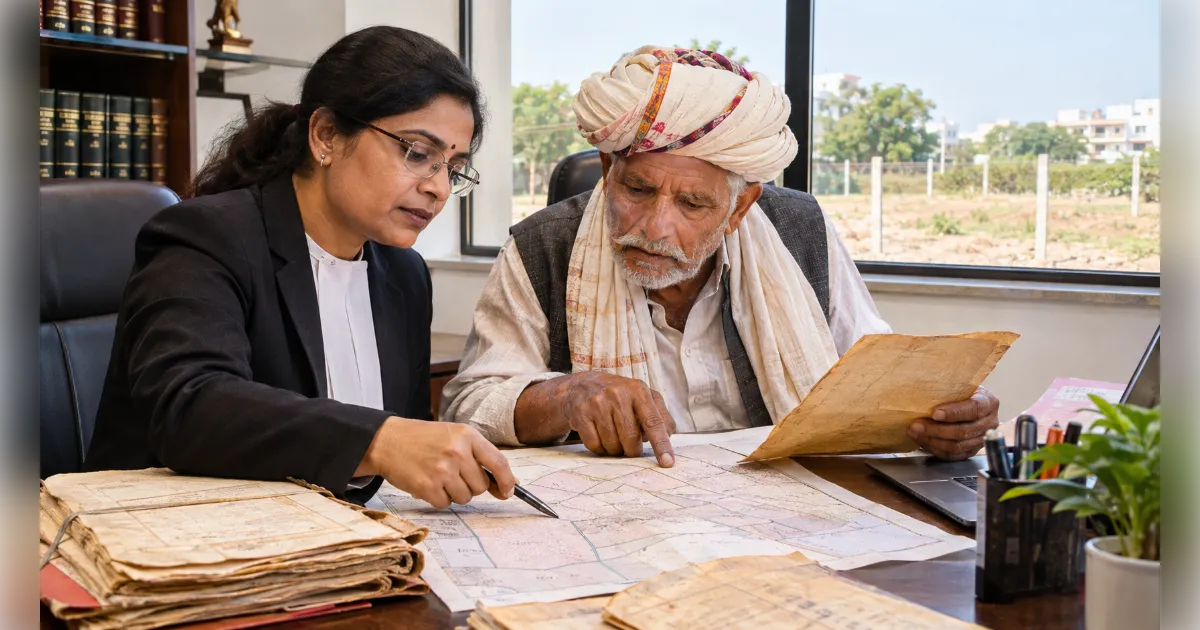
Adverse possession is a legal principle under which a person who openly occupies someone else's property for a long, continuous period, against the owner's rights, may be able to claim ownership. In India, the Limitation Act, 1963 generally gives an owner twelve years to sue for possession of private immovable property, and thirty years for government land, counted from the date the occupation became adverse.
Courts treat such claims strictly, because they take away an owner's title. Still, owners who leave land unattended for years, especially NRIs and families living in other cities, should understand the risk.
What the occupier must prove
- Actual physical possession of the property
- Possession that is open and visible, not secret
- Continuous and uninterrupted possession for the full limitation period
- Possession hostile to the true owner, with the intention to own it
- Knowledge of the owner, or circumstances where the owner should have known
A tenant, licensee, caretaker or family member who entered with the owner's permission usually cannot claim adverse possession simply by staying on, unless they clearly and openly deny the owner's title.
How owners can protect their property
Prevention is far easier than a long court case. Keep your title documents, mutation and tax records up to date, as explained in our guide to property mutation in Rajasthan.
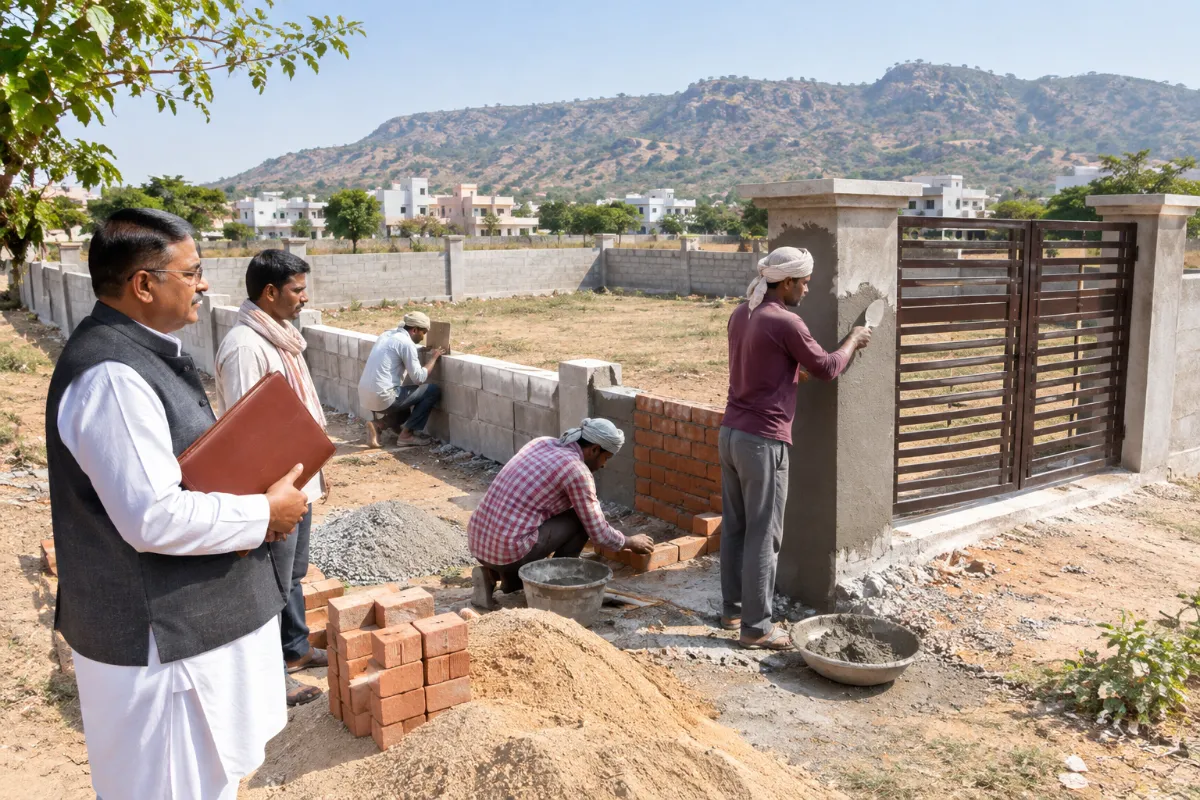
- Fence and mark vacant plots and visit them regularly
- Pay property tax and keep receipts in your own name
- Use written rent, lease or caretaker agreements
- Act quickly with a legal notice if someone starts occupying the land
- Appoint a trusted representative through a proper power of attorney if you live away
Our guide on power of attorney in India explains how to authorise someone to manage property on your behalf.
If someone has already occupied your land
Collect documents and evidence of your ownership and of when the occupation started, such as photographs, tax receipts and complaints. Consult a lawyer about a suit for possession or injunction within the limitation period. Delay helps the occupier, so do not wait for the problem to resolve itself.
ATTPL Legal
ATTPL Legal helps individuals, families and businesses in Rajasthan with property documents, notices and legal guidance. Toll-free: 1800 890 0815.
Frequently asked questions
Can a tenant claim adverse possession?
Generally no, because a tenant's possession began with the owner's permission. Exceptions are rare and depend on facts.
Is twelve years the period for all land?
For private property it is generally twelve years; for government land it is generally thirty years. Ask a lawyer about your case.
What should NRIs do to protect vacant land?
Fence it, keep records updated, appoint a trusted representative and arrange regular visits.
Sources and further reading
This article is general legal information, not legal advice. Outcomes depend on facts; consult a lawyer for your situation.